
Dental Blog

Our dental practice is dedicated to educating you with the latest tips and tricks to maintain your optimal oral health.

What is Fluoride Treatment
blog

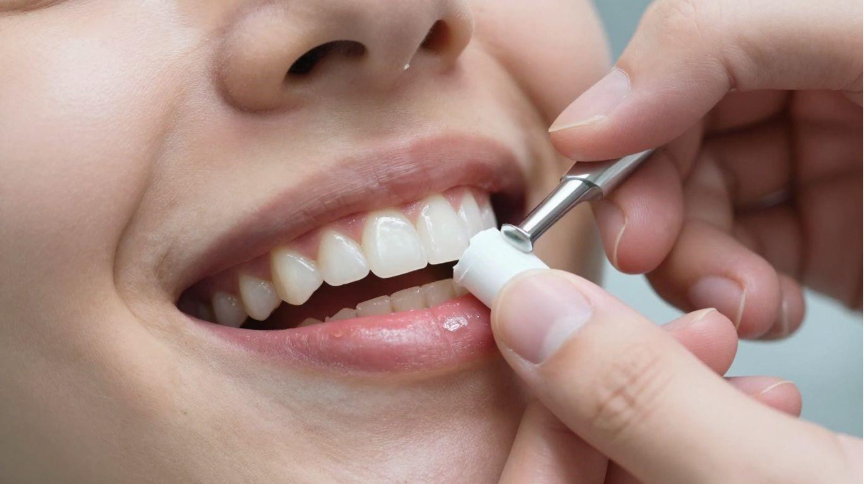
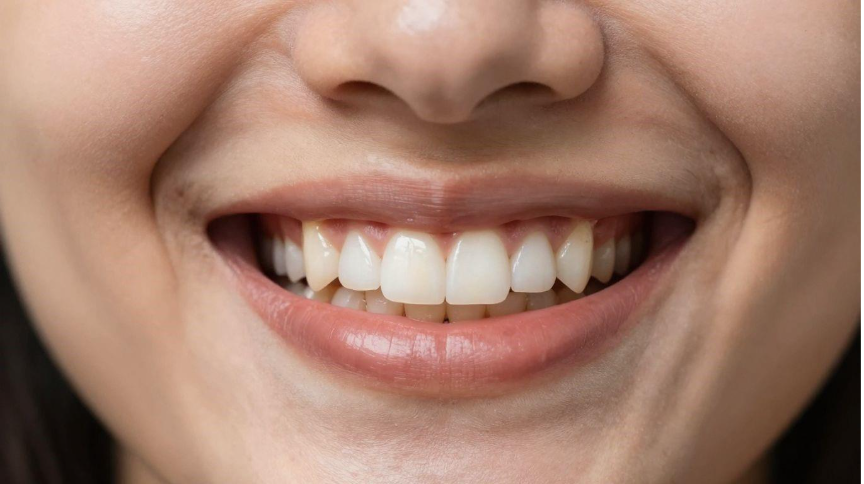
Thinking about your oral health? You might have heard about fluoride treatments, especially if you're looking for ways to keep your teeth strong and cavity-free. But what exactly is a fluoride treatment, and why is it such a common recommendation from dentists? It's a simple yet effective way to give your teeth an extra layer of protection against the everyday wear and tear they face. Let's break down what this dental procedure involves, who it's for, and what you can expect.
Read More

Can You Have Dental Veneers If You’re Missing a Tooth

blog

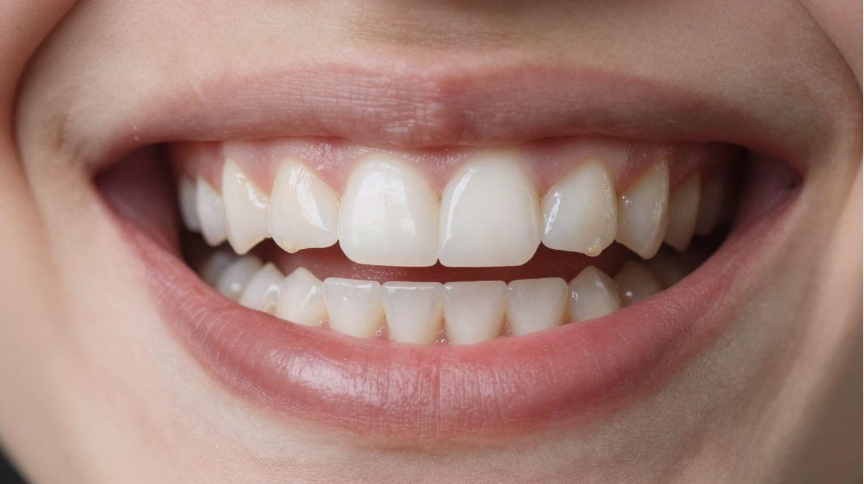
Losing a tooth can really throw off your smile, not to mention make eating and talking a bit tricky. It's more common than you might think, with millions of Americans missing at least one tooth. While many people think of implants or bridges for gaps, dental veneers can also be part of the picture, especially when combined with other treatments. Let's explore how veneers can help create a full, natural-looking smile, even when a tooth is missing.


Read More

How Long After Fluoride Treatment Can I Drink Coffee

blog

Getting a fluoride treatment at the dentist is a great way to help keep your teeth strong and fight off cavities. But if you're like many people, you probably enjoy a cup of coffee, and you might be wondering about the timing. Can you drink coffee right after your fluoride treatment, or do you need to wait? This article will help clear things up about coffee after fluoride treatment and how long after a fluoride treatment you can drink coffee.


Read More

Understanding Full Arch Dental Implants

blog

Losing teeth can be a big deal, affecting how you eat, speak, and even how you feel about your smile. For a long time, traditional dentures were the main fix for a full set of missing teeth. But now, there's a more stable and natural-feeling option: full arch dental implants. This approach replaces all the teeth in an upper or lower jaw using a few strategically placed implants. It's a way to get a secure, functional, and great-looking set of teeth back.


Read More

Why Keeping Healthy Wisdom Teeth Can Be Beneficial

blog

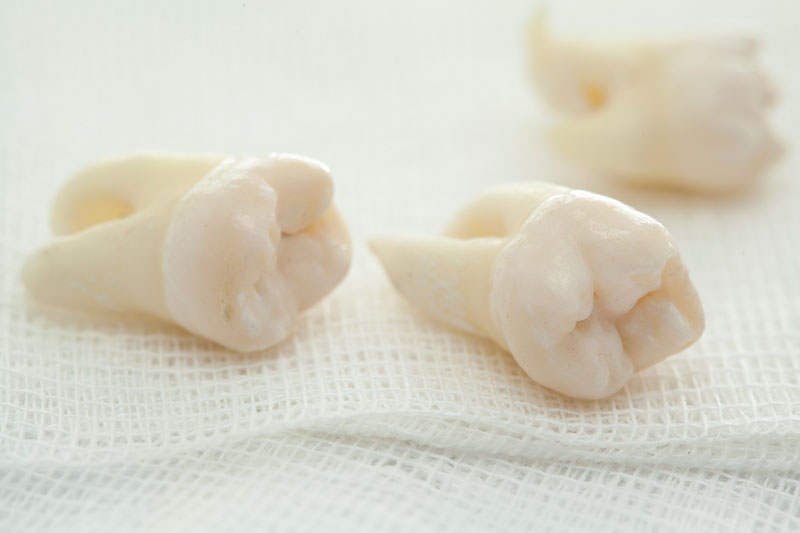
Wisdom teeth, those final molars to arrive, often get a bad rap. Many people assume they need to be removed, but have you ever thought about the benefits of keeping them? It turns out, when these teeth are healthy and properly positioned, they can actually be quite useful. This article will look at why keeping your wisdom teeth might be a good idea and what to consider when making that choice.


Read More

Are Dental Veneers Removable Or Permanent

blog

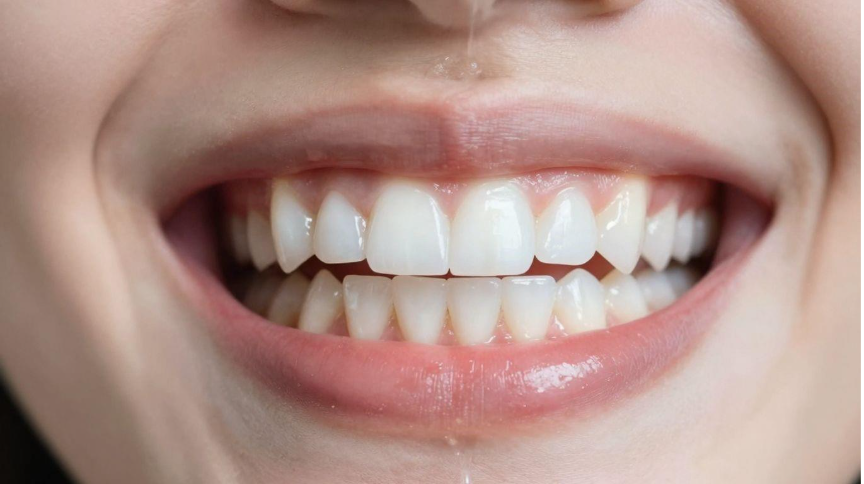
Many people consider dental veneers to fix their smile, but a common question pops up: are veneers removable or permanent? It's a big decision, and understanding the long-term implications is key. While the idea of a perfect smile is appealing, knowing whether these cosmetic enhancements can be taken off later is important. This article aims to clear up the confusion surrounding veneer permanence and removability.


Read More

A Closer Look at Veneers: What They Are, What They’re Not, and When They Make Sense

Veneers

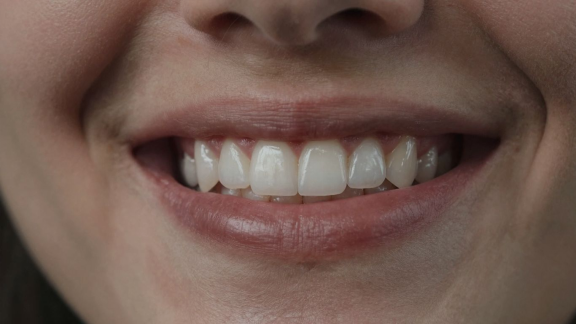
There’s a certain kind of smile that looks effortless—like everything is in its right place. Teeth that are even, bright, and balanced tend to read as healthy and confident, whether consciously or not. But not everyone is born with that kind of symmetry. And over time, wear, discoloration, or subtle shifting can gradually dull what used to feel natural.

That’s often where veneers come in. But what they offer isn’t magic—it’s technique. Behind every successful case is careful planning, paying close attention to every detail, and an open discussion about goals, limits, and what is best for the patient's long-term health.


Read More

When Teeth Lose Their Brightness

Wisdom-Teeth

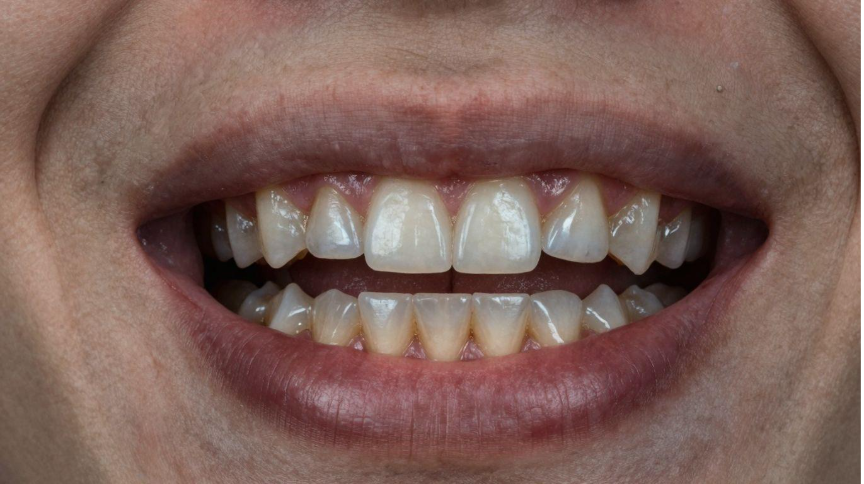
It doesn’t happen overnight. Slowly, almost imperceptibly, teeth darken. Coffee in the morning, red wine in the evening, a lifetime of meals in between—each leaves its mark. Over time, what once was bright becomes dull. For many, this quiet transformation begins to chip away at confidence, particularly when smiling starts to feel like something that should be hidden.

There’s a common belief that brushing more aggressively or trying a whitening toothpaste will reverse it. But stains embedded in enamel and dentin don’t vanish so easily. Whitening, when done correctly, is not simply cosmetic—it’s restorative. It brings a natural radiance back to the surface without stripping away integrity. But like anything in dentistry, its success depends on knowledge, preparation, and a bit of restraint.


Read More

When a Tooth Is Lost, More Than Just Your Smile Is Affected

tooth

Tooth loss is often thought of as only a cosmetic issue, but the reality goes much deeper. Losing a tooth—whether from gum disease, decay, or trauma—affects how you chew and speak, changes your facial structure, and even impacts the density of your jawbone.

What many people don’t realize is how quickly bone loss begins after a tooth is gone. This process, called bone resorption, gradually reshapes the jaw and makes future dental work more challenging. For years, solutions like dentures or bridges restored the appearance of a smile but couldn’t prevent this hidden loss.

That’s where dental implants have transformed modern dentistry.


Read More

Wisdom Tooth Extraction: A Modern Preventive Dental Approach

Wisdom-Teeth

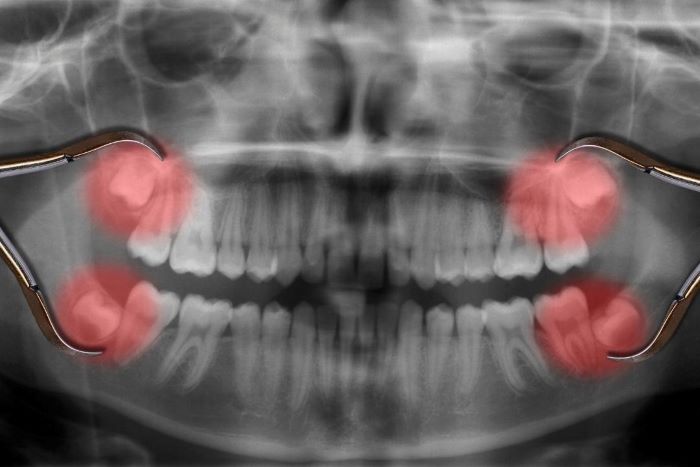
For many people, the eruption of wisdom teeth is the final stage of dental development. These third molars, which usually appear in early adulthood, often lack adequate space. With smaller jaws and modern diets, wisdom teeth are more of a problem than a necessity.

In practice, these late arrivals are frequently linked to issues such as crowding, infection, or even damage to neighboring teeth. Extraction is one of the most common oral surgeries performed today, but the decision to remove wisdom teeth reflects a commitment to long-term oral health rather than a mere routine procedure.


Read More